

Robots make excellent presents when they match the person opening the box. Give a soldering iron to a seven-year-old and you have volunteered to supervise; give a snap-together floor robot to a fifteen-year-old and you get polite gratitude. Age matters less than what someone has already built, broken and understood. What follows sorts gift ideas by that stage, from first cause-and-effect toys through to microcontrollers, books and the small tools that never get old.
Ages Four to Eight: Buttons, Blocks and Cause and Effect
At this age the goal is feedback. A child presses a button, the robot moves, and the link between instruction and result becomes obvious. Floor robots with arrow keys — Bee-Bot, Botley and similar — do this well and survive being dropped. Cubetto swaps buttons for wooden blocks, which suits children who think better with their hands. LEGO's early coding sets and the VEX 123 sit in the same territory.
Two buying tips. Buy the accessory mat or expansion pack if one exists; the base robot is a week of play, the extra tiles are a term of it. And check which batteries it takes, then buy spares with it. Nothing kills enthusiasm faster than a dead robot on the morning after the gift is opened.
Ages Nine to Twelve: Where Building and Coding Meet
This is the sweet spot. Fine motor skills are good enough for real assembly, patience runs longer, and the urge to modify things appears. The micro:bit is hard to beat: inexpensive, edited in a browser that runs on school laptops, and supported by hundreds of projects from step counters to remote-controlled cars. A micro:bit plus a sensor bundle will outlast three single-purpose robots.
LEGO Education's SPIKE sets and the Makeblock mBot are strong picks for builders who want a chassis and motors first, code second. Sphero's rolling robots appeal to children who prefer app-based programming with immediate results. If the recipient already writes Scratch, look for kits that accept Scratch and later move to Python. That upgrade path is the real value, not the packaging.
Teens and Adults: Components, Not Toys
Past a certain point, robots stop being products and become parts. A Raspberry Pi, an Arduino or an ESP32 board plus a box of sensors, jumper wires, a breadboard and a couple of servos becomes dozens of projects. Buy the genuine board when the project matters — documentation and community support are part of what you are paying for.
Useful add-ons: a proper multimeter, because a cheap one with vague readings teaches bad habits; a temperature-controlled soldering station; a third-hand tool with a magnifier; and an assortment of heat-shrink tubing. Anyone working with lithium polymer packs will also appreciate a balance charger and a fire-resistant charging bag. Treat battery charging with care and follow the manufacturer's instructions — storage and charging practice matters more than the brand of the cell.
Books That Earn Their Shelf Space
Match the book to the build already on the bench. A beginner who has just finished a first Arduino project will not read a graduate-level text, and an experienced hobbyist will not open a book of introductory blink sketches.
- Make: Electronics by Charles Platt — hands-on, learns by breaking things, ideal for a first serious year of electronics.
- Practical Electronics for Inventors by Paul Scherz and Simon Monk — the reference people keep returning to.
- Robot Building for Beginners by David Cook — walks through a complete build rather than isolated theory.
- Code by Charles Petzold — explains what is happening beneath the programming language.
- Automate the Boring Stuff with Python by Al Sweigart — good for anyone scripting test rigs or data logging.
- The LEGO Technic Idea Book series by Yoshihito Isogawa — pure mechanism inspiration, no code required.
On editions: for the electronics titles, any recent one is fine. The fundamentals do not change quickly.
Tools and Consumables People Rarely Buy Themselves
These get used every week, often more than the headline kit.
- Flush cutters and a precision screwdriver set with a case.
- A helping-hands tool with a weighted base and magnifier.
- Silicone hook-up wire in several colours, plus a small assortment of resistors and LEDs.
- Heat-shrink tubing in mixed sizes, with a heat gun to match.
- Stackable storage boxes with dividers — the unglamorous fix for a desk covered in parts.
- A labelled USB power supply and a set of short cables.
None of it is exciting to unwrap. All of it disappears from the drawer within a month.
Gifts That Aren't Objects
Some of the best presents in this hobby are access rather than hardware. A subscription to a making or electronics magazine such as Make or HackSpace delivers twelve months of small arrivals. A membership to a science museum or a local makerspace pays for itself in rainy Saturdays. Team and competition fees for events such as FIRST LEGO League or VEX suit a child who wants to build alongside other people, and donating parts or tools to a school club often does more good than another kit at home. For someone learning alone, a short structured course or a weekend workshop can be the push that finally gets a stalled project finished.
How to Choose in Five Minutes
- Ask what they last took apart, fixed or built. That answer beats their age every time.
- Check what they already own. Nobody needs a fourth Arduino Uno; almost everybody needs sensors, wire and storage.
- Pick the next skill rather than the next product. If they can build but not solder, buy the soldering station.
- Add one consumable to every kit: batteries, wire, tape or spare servos.
- If you are still unsure, a gift card to an electronics supplier plus one small tool is a real present. It funds the project they have been thinking about.
Then write a note offering an afternoon of your time to build it together. In this hobby, attention is the part people remember.
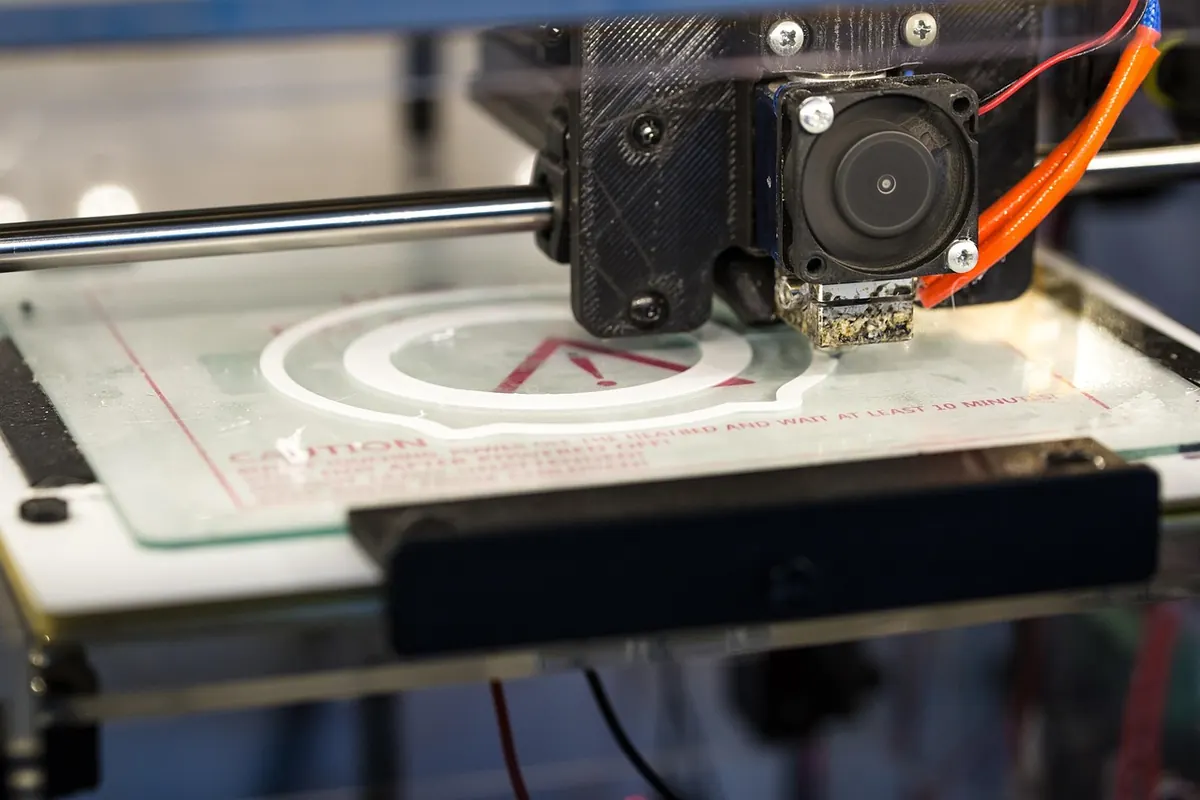
Photo: wenwenf_foto / Pixabay